Why Brands Choose Tablets
Tablets combine precision, stability, and scalability in one of the supplement industry's most trusted formats.
Precise Dosing
Tablets deliver exact doses with exceptional consistency. Each tablet contains a precisely measured amount of active ingredients, critical for potent actives and clinical-grade formulas.
Long Shelf Life
Compressed tablets typically have excellent stability and shelf life. The dense, low-moisture format protects many active ingredients from degradation.
Cost-Effective at Scale
High-speed tablet presses produce large volumes efficiently. For brands with established formulas and high MOQs, tablets often offer the best cost-per-unit.
Sugar-Free
Tablets are naturally sugar-free unless sweeteners are intentionally added. Ideal for keto, diabetic-friendly, and metabolic health positioning.
Controlled Release Options
Tablets can be engineered for immediate release, delayed release, or extended release — enabling sophisticated delivery profiles not available in other formats.
Flexible Packaging
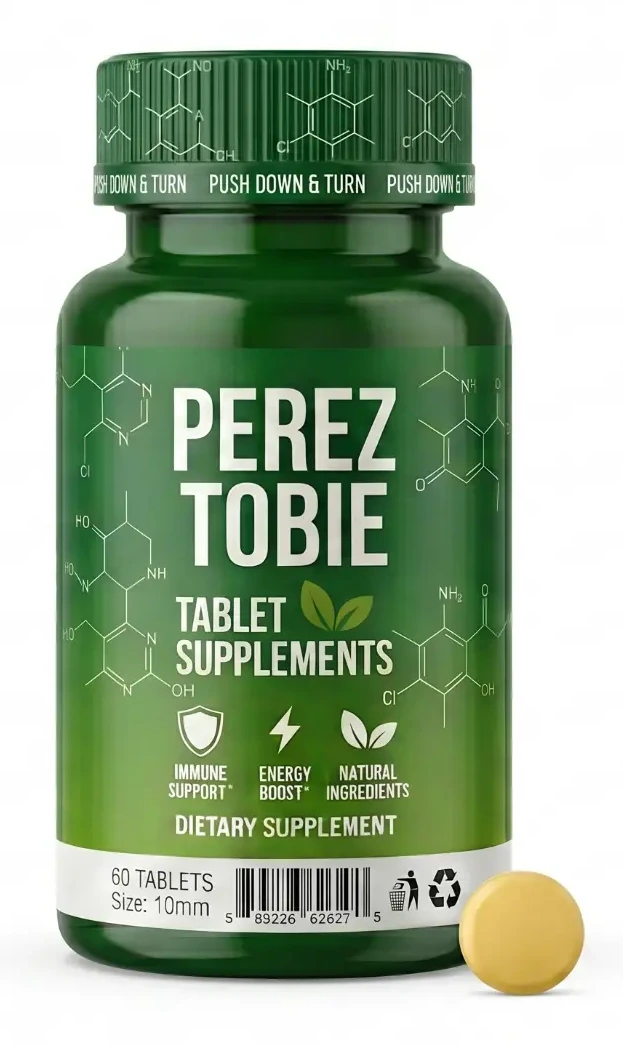
Bottles, blister packs, sachets, or bulk containers. Tablets are compact, stackable, and travel well — ideal for retail and subscription formats.
Tablet Format Options
Different tablet formats serve different brand needs, formulas, and consumer preferences.
Standard Compressed Tablets
Best for: High-volume formulas with good powder flow and compressibility.
Advantages
- ✓Most cost-effective tablet format
- ✓High-speed production capability
- ✓Excellent dose accuracy
- ✓Long shelf life
Considerations
- —Requires good powder compressibility
- —May need coating for taste masking
- —Some ingredients resist compression
Film-Coated Tablets
Best for: Formulas requiring taste masking, moisture protection, or premium appearance.
Advantages
- ✓Masks bitter or unpleasant tastes
- ✓Protects moisture-sensitive ingredients
- ✓Professional appearance
- ✓Easier to swallow
Considerations
- —Higher cost than uncoated
- —Additional processing step
- —Coating adds slight weight
Chewable Tablets
Best for: Consumer-friendly formats, children's products, and vitamins with pleasant taste profiles.
Advantages
- ✓No water required
- ✓Consumer-friendly
- ✓Good for vitamins and minerals
- ✓Can include natural flavors
Considerations
- —Requires flavor system
- —Higher formulation complexity
- —Texture must be optimized
How Tablets Are Made
Our tablet manufacturing process ensures every batch meets precise weight, hardness, and potency specifications.
Formula Development
Review active ingredients, target dose, compressibility, and excipient requirements for the specific tablet format.
Raw Material Testing
Ingredients are sourced, identity-tested, and verified for quality, potency, and compliance.
Granulation (if required)
Some formulas require wet or dry granulation to improve powder flow and compressibility before tableting.
Blending
Active ingredients are blended with excipients including binders, disintegrants, lubricants, and flow agents.
Tablet Compression
The powder blend is compressed into tablets at precise weight and hardness specifications.
In-Process Controls
Tablet weight, hardness, thickness, and friability are monitored throughout production.
Coating (optional)
Film coating is applied for taste masking, moisture protection, or appearance enhancement.
Packaging
Tablets are packaged in bottles, blister packs, sachets, or bulk containers per brand specifications.